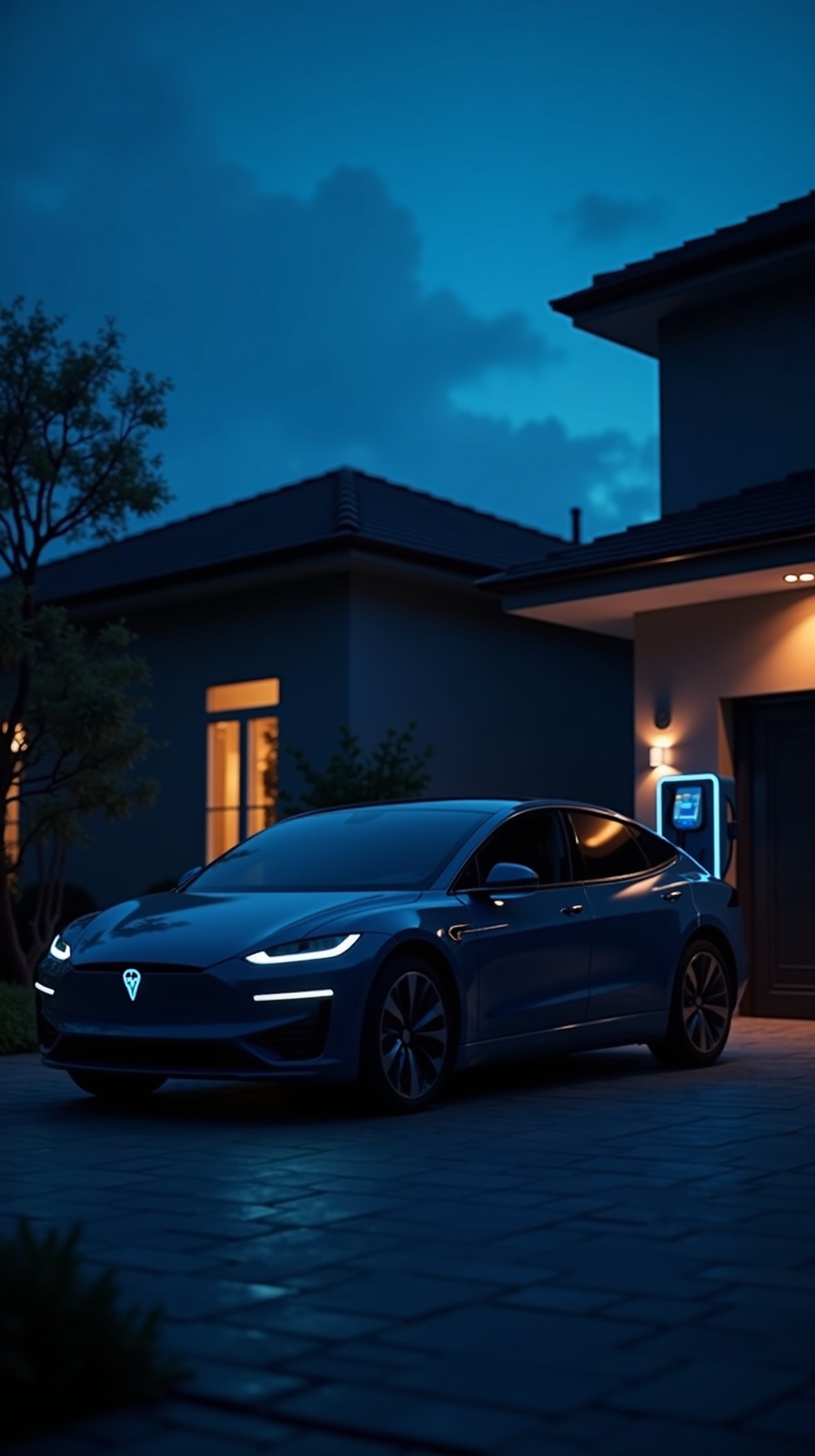

Can You Install an EV Charger Yourself in NSW?
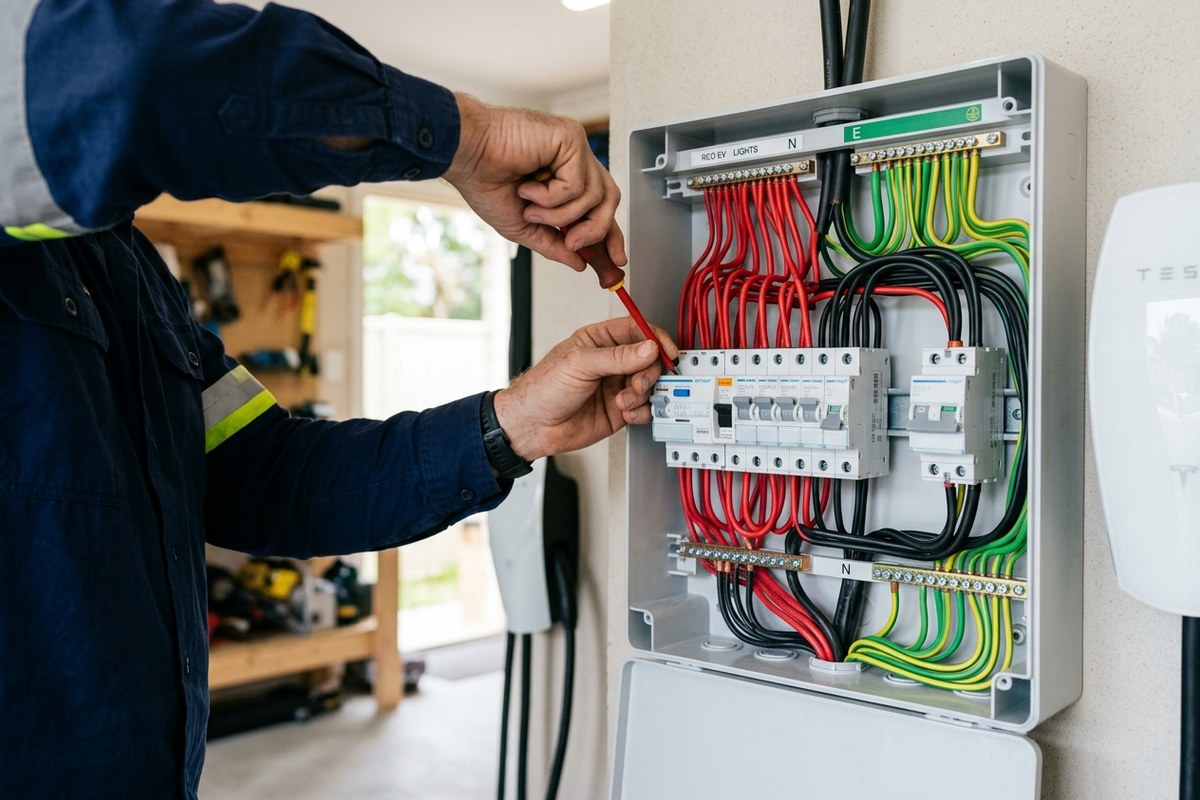
It's a fair question, especially for the handy: a home EV charger looks like a box you bolt to the wall and wire in. Could you do it yourself and save the install cost? In NSW the answer is a clear no, and the reasons are worth understanding, because they're about more than rules.
The Law Is Unambiguous
In NSW, fixed electrical wiring work must be carried out by a licensed electrician. That isn't a grey area or a loophole for a confident DIYer, connecting a hardwired EV charger to your switchboard is exactly the kind of work the law reserves for licensed tradespeople. Doing it yourself is illegal, regardless of skill, and the prohibition exists because the consequences of getting it wrong are severe.
Why It's Not a DIY Job Anyway
An EV charger isn't a light fitting. It's a new high-current circuit that runs for hours at a sustained load, connected into the switchboard with its own protection. It demands correct cable sizing, the right circuit breaker and residual current device, sound terminations, and an assessment of whether the board and supply can even carry the load. Errors here don't announce themselves, they show up later as overheating, nuisance tripping, or worse. This is precisely the kind of work that looks simple and isn't.
Insurance and Selling the House
Beyond safety, two practical consequences bite. Unlicensed electrical work can void your home insurance, if an incident traces back to it, a claim can be refused. And when you sell, electrical work without the proper certification is a problem that surfaces in the process. The paperwork from a licensed install isn't bureaucracy; it's protection.
What the Licensed Install Includes
A licensed electrician doesn't just connect the unit. They assess the switchboard and supply, size and run the dedicated circuit, fit the correct protection, mount and commission the charger, test that it all works safely, and issue a certificate of compliance, the document that proves the work was done and tested to standard. That certificate is what an insurer and a future buyer expect to see.
The Sensible Line
There's plenty an owner can do, choosing the unit, deciding where it goes, having the parking and switchboard photos ready. The actual wiring is the licensed electrician's job, full stop. It keeps the install legal, safe, insured, and certified, which is the whole point of having it done.
What About Plug-In Portable Chargers?
One grey area people ask about: the portable cable that plugs into an existing power point isn't "installing" a charger, so using it isn't unlicensed work. But it comes with the same caveats covered earlier, it's slow, and running a sustained charging load through a general power point for hours isn't what that circuit was built for. If a home leans on portable charging daily, the safer move is still a proper dedicated charger, installed by a licensed electrician.
Choosing the Right Electrician
Since the work has to be licensed, it's worth picking the right person. Look for a current NSW electrical licence, experience specifically with EV charger installs, and a willingness to assess the switchboard before quoting rather than after. A licence can be checked on the NSW Fair Trading register. An electrician who installs chargers regularly will spot the supply and board issues a generalist might miss, and will hand over the compliance certificate as a matter of course.
The simplest way to think about it: the owner's job is the decisions, the licensed electrician's job is the wiring. Choose the charger, pick the spot, line up the photos and the questions, then hand the install to someone licensed who'll do it to standard and certify it. That split keeps the charger legal, safe, insured and properly documented, which is the entire point of having it done right.
Frequently Asked Questions
Is it legal to install my own EV charger in NSW?
No. Fixed electrical wiring work in NSW must be done by a licensed electrician. Connecting a hardwired charger to your switchboard is reserved work, and doing it yourself is illegal regardless of skill level.
What's the risk if I do it anyway?
Beyond breaking the law, mistakes in a high-current circuit can cause overheating or fire, and unlicensed work can void your home insurance and create problems when you sell. The dangers often aren't visible until something goes wrong.
What does a licensed install give me that DIY can't?
A correctly sized and protected circuit, a safe connection to the switchboard, commissioning, and a certificate of compliance, the record that proves the work meets standard, which insurers and buyers expect.
Is there anything I can do myself?
Yes, choose the charger, decide where it goes, and have photos of your switchboard and parking ready. The wiring itself must be left to a licensed electrician.
Want It Done Legally and Safely?
Get a free, no-obligation quote from a licensed electrician serving the Central Coast.