
Do You Need a Special Electricity Plan for Your EV?
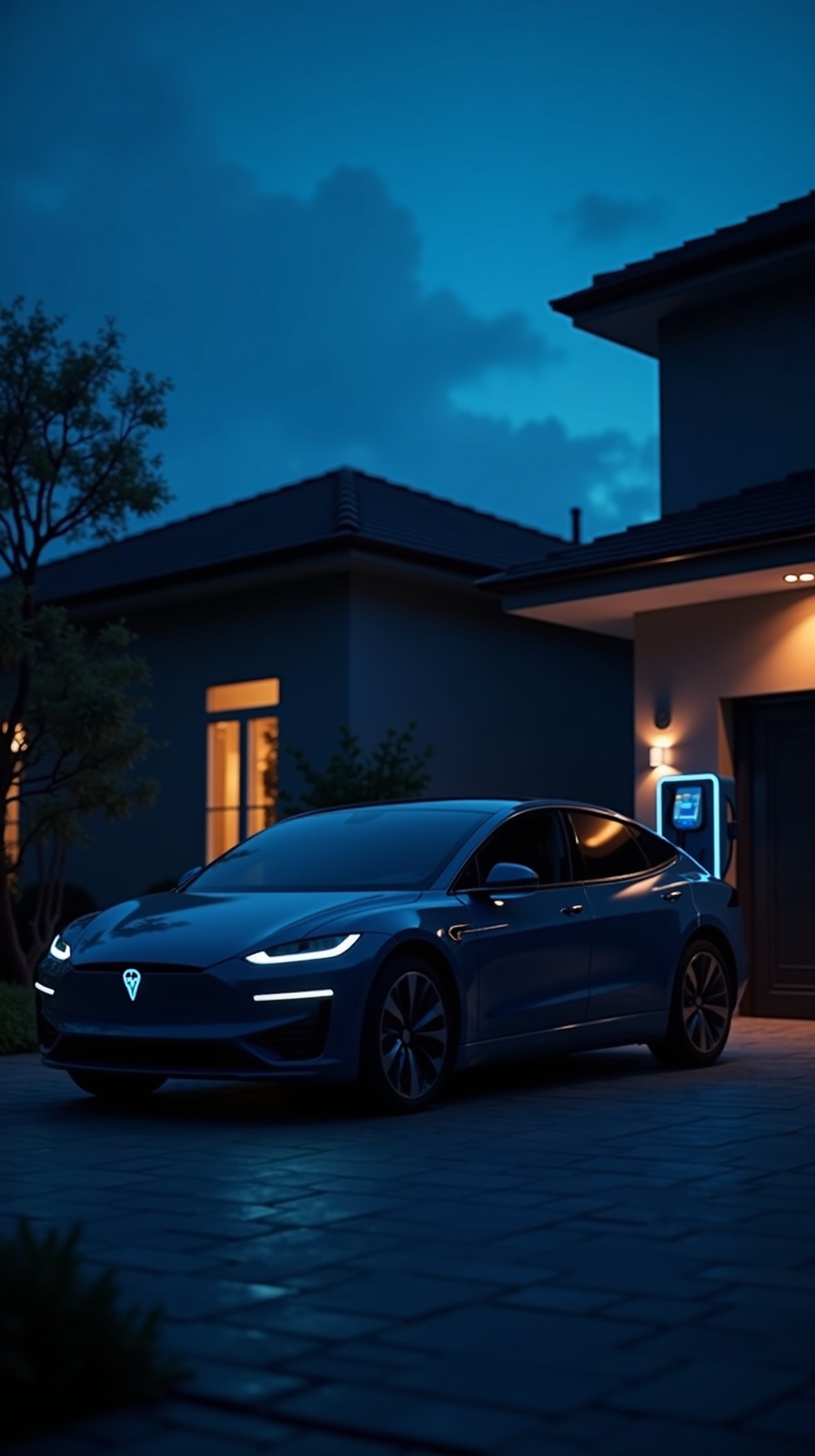
Buying an EV often prompts a second question that catches people off guard: should the electricity plan change too? The car is cheap to run, but how cheap depends a lot on when it charges and what the home pays for power at that time. Here's what Central Coast drivers should know, without quoting prices that date quickly.
Flat Rate vs Time-of-Use
Home electricity plans broadly come in two shapes. A flat-rate plan charges the same per unit whenever you use it. A time-of-use plan charges different rates by time of day, typically dearer in the evening peak and cheaper overnight and sometimes midday. For an appliance that mostly runs overnight, like a home charger, a time-of-use plan can make charging noticeably cheaper, because the car draws its power in the low-rate window.
Why EVs and Off-Peak Suit Each Other
An EV is unusually flexible about when it charges. It sits plugged in for hours and only needs to be full by morning, so it doesn't care whether it charges at 9pm or 3am. That flexibility is exactly what time-of-use plans reward, shift the charging into the cheapest hours and the running cost drops, without changing anything about how you drive.
Where the Smart Charger Comes In
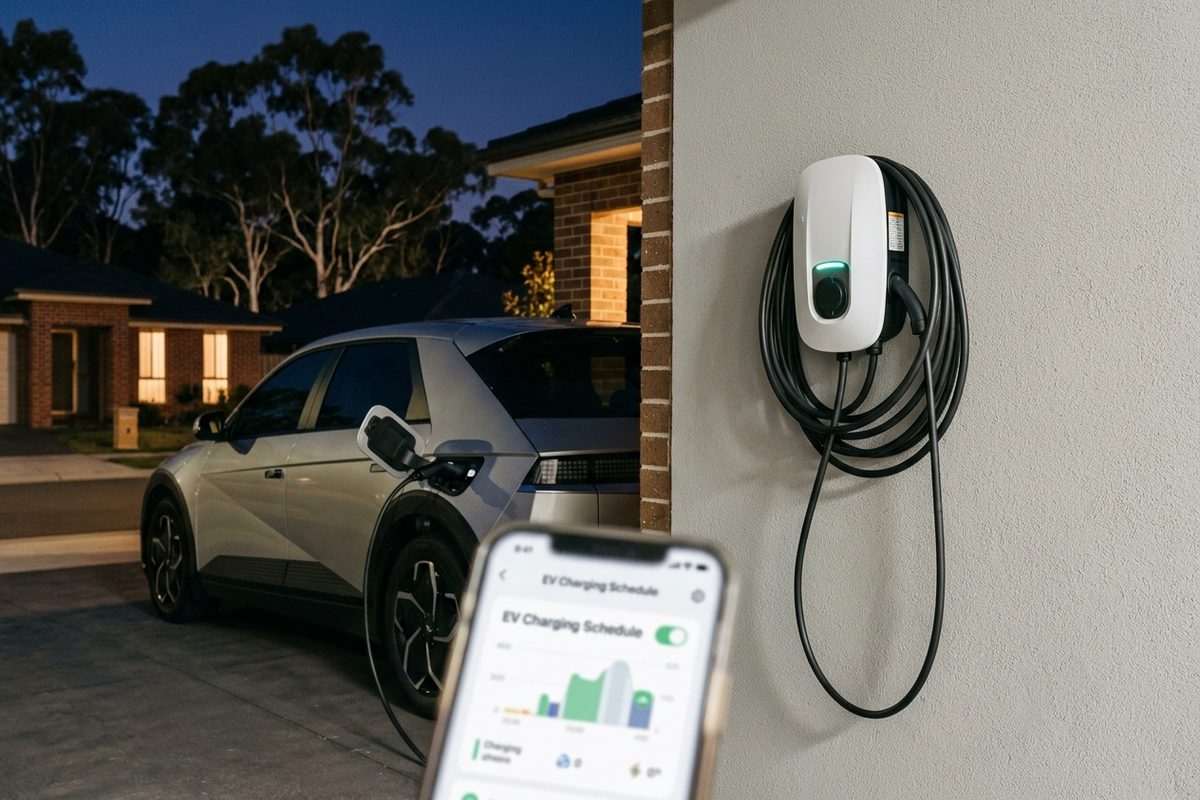
This is where scheduling earns its keep. A smart charger can be set to only charge during the off-peak window automatically, every night, with no thought required. Plug in when you get home, and the charger waits for the cheap hours to do the work. Pair that with solar during the day and the car runs on the cheapest energy available around the clock.
What to Check
Whether a time-of-use plan actually saves money depends on the household's overall usage, not just the car, shifting other big loads matters too, and peak rates can be high. It's worth comparing plans once an EV is in the picture, and confirming the meter supports time-of-use (many do, some need a meter change). An electrician or the retailer can confirm the metering side.
The Practical Takeaway
You don't strictly need a special plan, but charging an EV is the kind of large, shiftable load that makes time-of-use worth a serious look. A smart charger set to off-peak turns that saving into something automatic. The hardware and the plan work best together.
Don't Forget the Rest of the House
Whether a time-of-use plan saves money depends on the whole household, not just the car. The plans trade cheaper off-peak power for dearer evening peaks, so a home that runs heavy loads, cooking, heating, cooling, in the evening can give back some of the EV saving on everything else. The households that win most shift other big loads off peak too, running the dishwasher and washing on a timer, so the cheap car charging isn't undone by expensive peak usage elsewhere.
Comparing Plans Once You Have an EV
An EV is a good prompt to re-shop the electricity plan, because adding a sizeable, shiftable load changes which plan comes out ahead. It's worth comparing a few offers with the car's expected usage factored in, and checking any conditions on the off-peak window. The retailer can model it, and an electrician can confirm the metering supports time-of-use, together they'll show whether switching actually pays for your home.
The bottom line for a Central Coast EV owner: you don't have to change plans, but it's worth checking, because charging is exactly the kind of large, shiftable load that time-of-use rewards. Pair the right plan with a smart charger set to off-peak, and solar by day if you have it, and the car runs on the cheapest energy available with no daily effort once it's set up.
One caution worth keeping in mind: time-of-use plans only pay off if the household genuinely shifts load into the cheap window. If most of the home's power is used in the evening peak regardless, a flat-rate plan can still come out ahead even with an EV. The honest way to decide is to look at the whole household's usage pattern, not just the car, and compare a couple of offers with that pattern in mind before switching.
Frequently Asked Questions
Do I have to change my electricity plan for an EV?
No, but it's worth reviewing. Because a charger is a large, shiftable overnight load, a time-of-use plan with cheap off-peak rates can lower running costs. Whether it suits depends on the whole household's usage.
How does off-peak charging work?
A smart charger is scheduled to run only during the off-peak window, so the car draws its power when grid rates are lowest. You plug in when you get home and the charger waits for the cheap hours automatically.
Does my meter need to change for time-of-use?
Sometimes. Many modern meters already support time-of-use; older ones may need a meter change. The retailer or an electrician can confirm what your home has.
Can I combine off-peak and solar charging?
Yes. A smart charger can run on surplus solar during the day and fall back to off-peak grid power overnight, so the car uses the cheapest available energy around the clock.
Want to Charge at the Cheapest Hours?
Get a free, no-obligation quote from a licensed electrician serving the Central Coast.