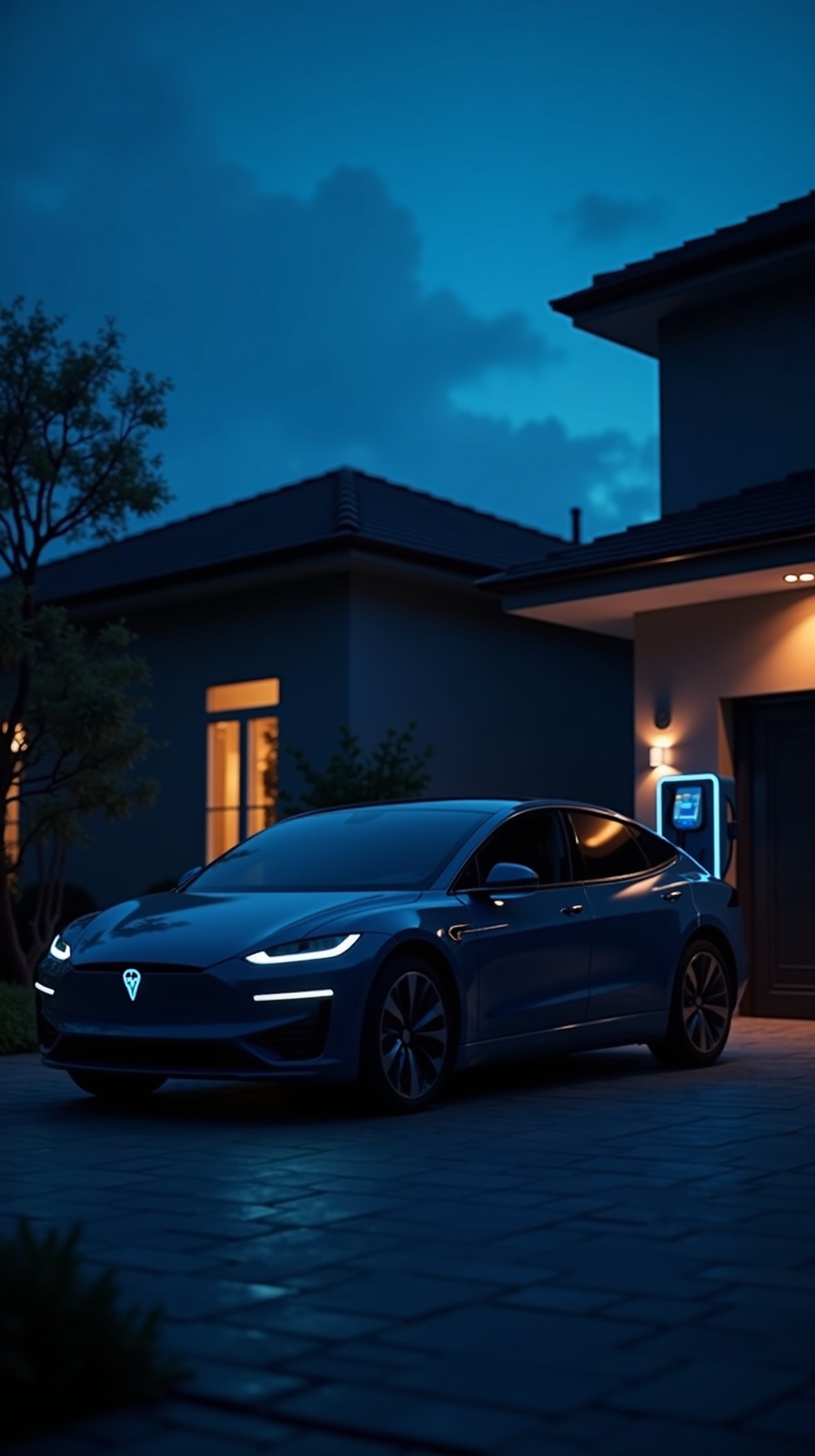

Home EV Charger Installation on the Central Coast: What the Job Actually Involves
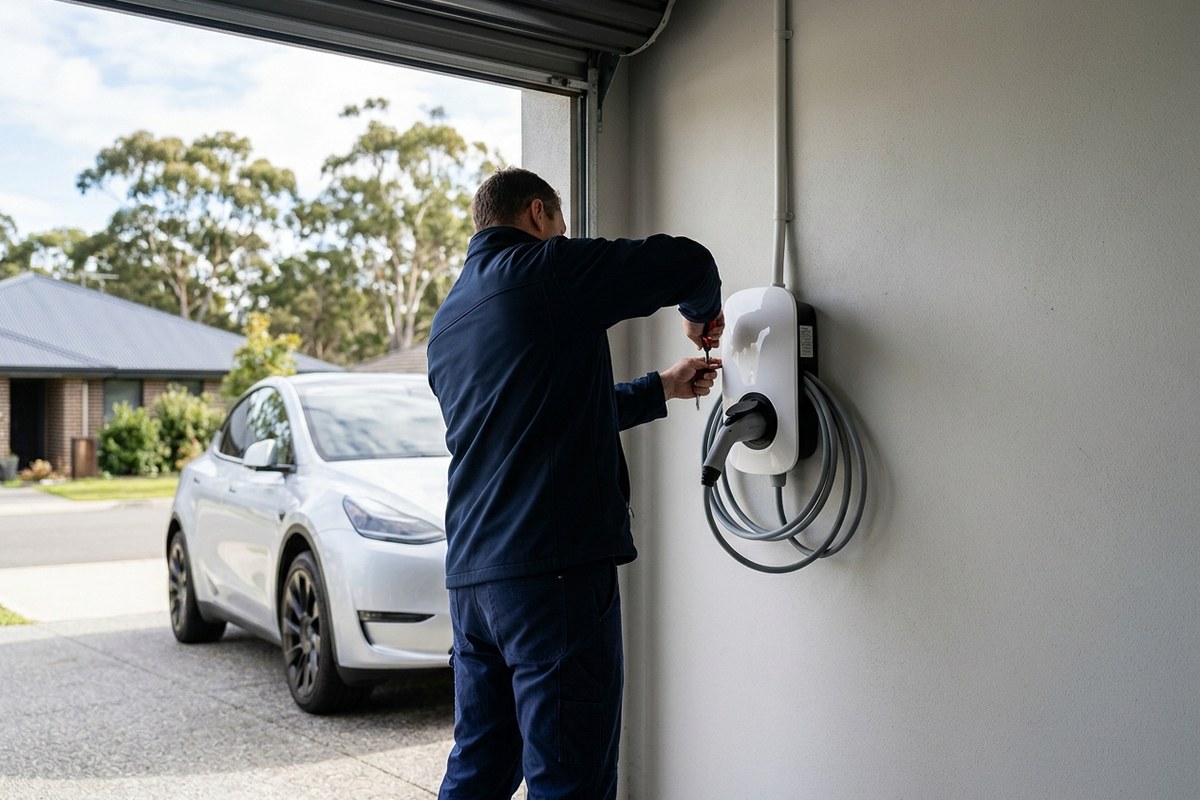
A home EV charger looks like a tidy box on the garage wall, but most of the work that makes it safe and fast sits out of sight, in the circuit feeding it and the switchboard it connects to. Knowing how an installation actually unfolds helps any Central Coast homeowner ask sharper questions and spot a quote that has skipped a step.
It Starts With the Switchboard, Not the Charger
A proper install begins with an assessment of the existing supply. An electrician looks at the switchboard to see whether there is a spare circuit position, what protection is already in place, and how much headroom the main supply has once a sustained high-current load is added. The car, the way it is driven, and where it parks all feed into the recommendation. A household that drives short distances and parks in the same spot every night has very different needs from one running two vehicles hard.
This first look is also where any groundwork shows up. An older board with ceramic fuses, or one already crowded with circuits, may need attention before a charger goes anywhere near it.
The Dedicated Circuit
An EV charger runs on its own circuit, separate from power points and lighting. That circuit is sized for the charger's output, fitted with the correct overcurrent protection and a residual current device, and routed from the switchboard to wherever the charger will live. Keeping it dedicated is what lets the charger run for hours without competing with the kettle, the air conditioner, or anything else on a shared circuit.
Routing the Cable Cleanly
How the supply reaches the charger depends on the home. It might travel through the roof space and drop down an internal wall cavity, run along an external wall in enclosed conduit, or pass under the floor. The aim is a route that keeps cabling concealed or fully enclosed, with nothing loose strung across a finished wall. On a brick or rendered exterior, a neat run of grey conduit is a perfectly legitimate, tidy result.
Mounting and Commissioning
The charger is mounted at a sensible height near the parking spot, positioned so the connector reaches the vehicle's port without the cable being stretched or dragged across the ground. Once it is wired in, the electrician commissions it: checks the connection, confirms the protection trips as it should, tests that the unit delivers charge correctly, and configures any settings the homeowner wants. A weatherproof-rated unit is used wherever the charger is exposed to the elements.
The Paperwork That Matters
Because this is a new high-load circuit tied into the switchboard, the work has to meet the current wiring rules and be certified. A certificate of compliance is issued for the job. That document is not red tape, it is the record that the circuit, the protection, and the connection were all done and tested correctly, and it is what an insurer or a future buyer will expect to see.
Planning Ahead During the Install
The install day is the cheapest time to think about what comes next. If a second EV, a bigger-battery vehicle, or solar and a home battery are even a possibility, mentioning it lets the circuit and charger be sized with a little headroom now rather than reworked later.
What to Have Ready
A quote comes together fastest when a few details are on hand: the make and model of the EV, or the one being considered; a photo of the switchboard, with the cover both on and off if it can be opened safely; and a clear idea of where the car parks and where the charger should sit. With those, an electrician can weigh the supply, the cable route, and the right unit before even setting foot on site, and give a far more accurate quote. It also surfaces any switchboard work early, so installation day holds no surprises and the job runs in a single visit wherever possible.
Frequently Asked Questions
How is a home charger install different from fitting a power point?
It is a far bigger job electrically. A power point taps an existing circuit; a charger needs its own circuit sized for a sustained high load, with dedicated protection and a connection back to the switchboard, all certified. That is why it is assessed at the board first.
What happens if the switchboard cannot take the load?
The electrician will identify that during the assessment. Options include adding a dedicated breaker and residual current device, freeing space on the board, or upgrading it. A smart charger with load management can also be used so the charger eases off when the home is busy.
Where is the best place to mount the charger?
Near where the car parks, at a height that lets the connector reach the charge port comfortably, with the shortest sensible cable route back to the switchboard. Walking the site before installation day settles this and avoids a daily nuisance.
Does the installation have to be certified?
Yes. It is a new high-load circuit connected to the switchboard, so it must be installed by a licensed electrician and certified to the current standards. The compliance certificate is part of a properly finished job.
Planning a Home EV Charger on the Central Coast?
Get a free, no-obligation quote from a licensed electrician serving the Central Coast.