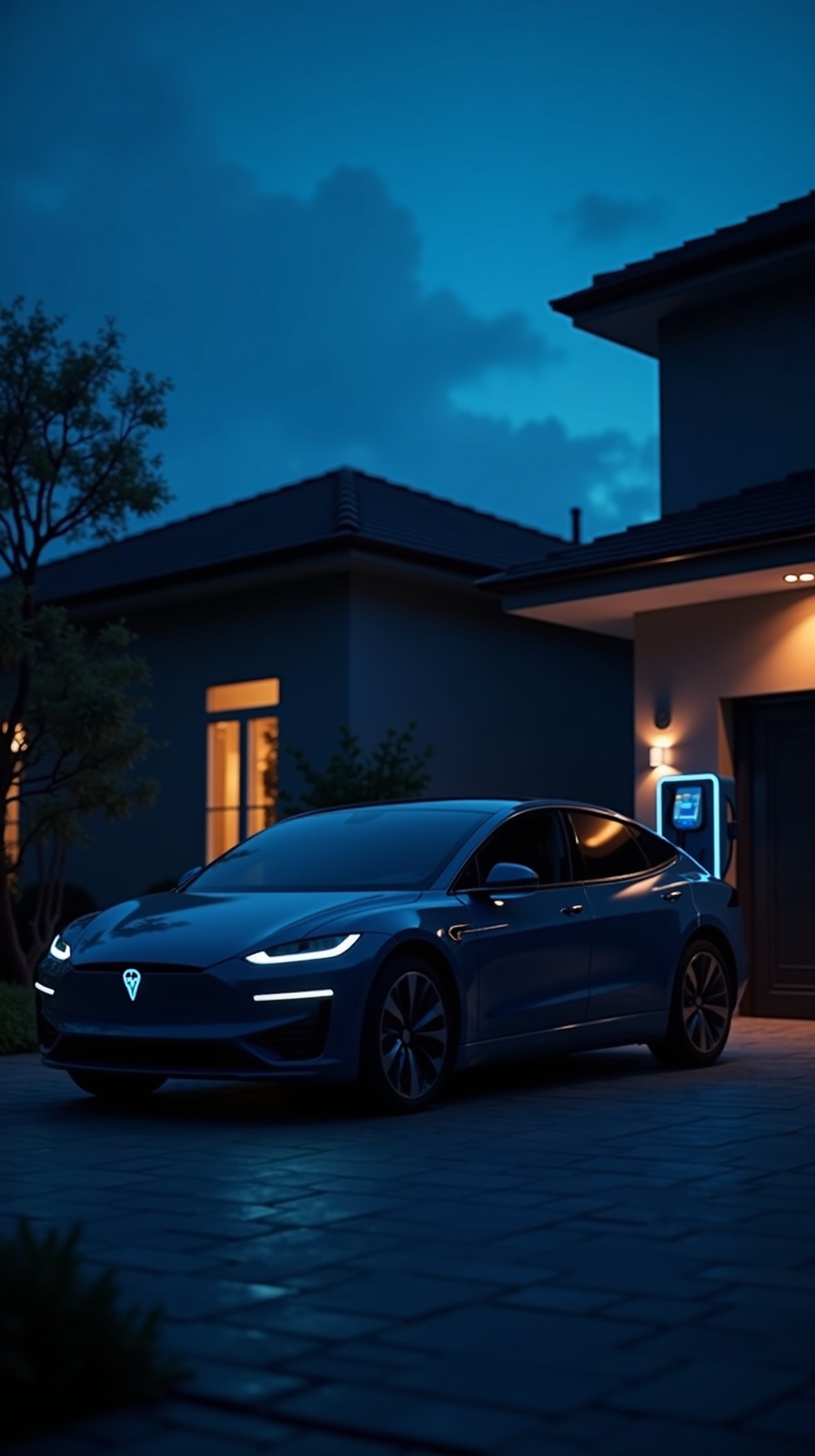

Outdoor and Weatherproof EV Charger Installation in a Coastal Climate
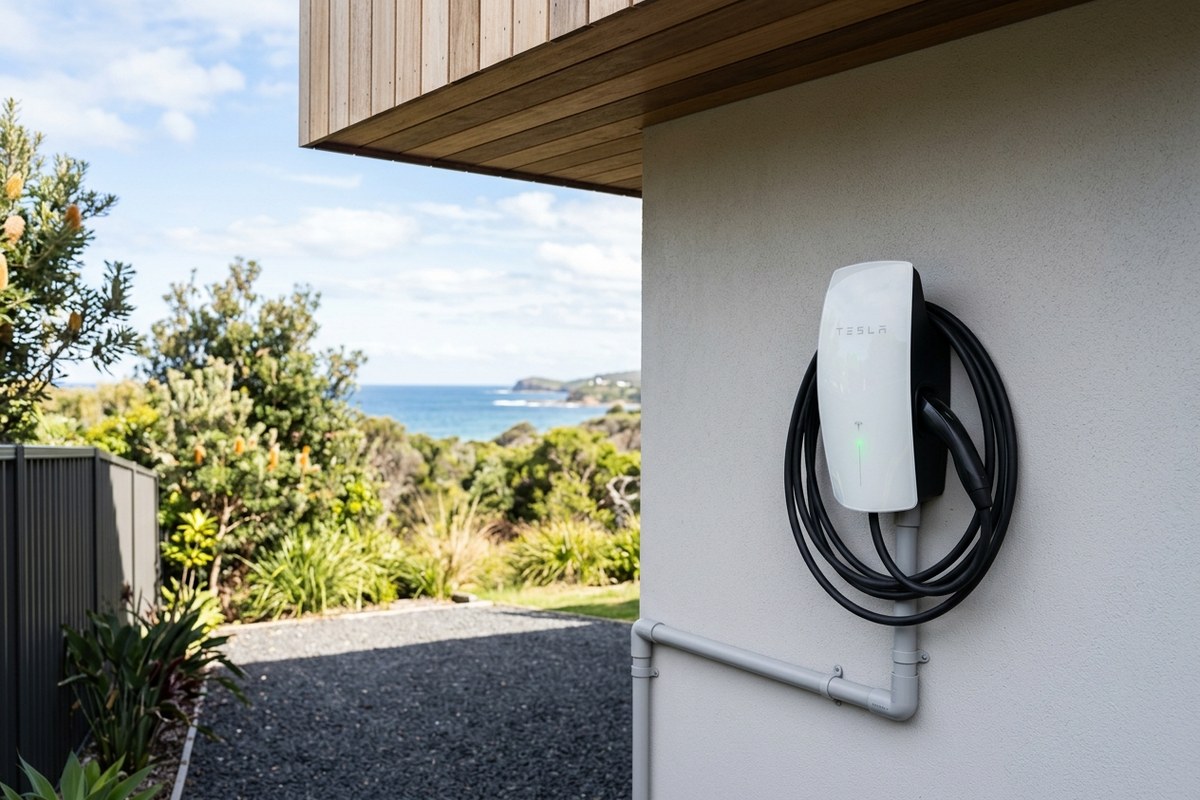
Not everyone has a lock-up garage to mount a charger in. Plenty of Central Coast homes park under a carport, beside the house, or in an open driveway, which means the charger lives outdoors, in a coastal climate that's harder on equipment than most. The good news: outdoor installation is completely normal. It just rewards doing a few things right.
Outdoor-Rated Is the Baseline
EV chargers carry a weather rating indicating how well they resist dust and water. A unit installed outdoors needs a rating suited to an exposed position, built to handle rain, humidity and the temperature swings of an Australian year. Most quality chargers are rated for outdoor use, but it's the first thing to confirm, because an indoor-only unit in an exposed spot won't last.
The Coastal Factor: Salt Air
Closer to the water, salt in the air accelerates corrosion on anything metal or poorly sealed. It's the single biggest long-term enemy of outdoor electrical gear on the coast. The defences are sensible: choose a well-sealed, quality unit, and where possible mount it in a position that gets some shelter from driving wind and rain rather than the most exposed wall on the property. A little protection meaningfully extends the life of the unit and its connector.
Mounting Position
Beyond weather, position is about daily use: at a sensible height, near where the car parks, with the connector able to reach the port without strain. Under an eave, inside a carport, or on a wall that's naturally sheltered ticks both boxes, protected and convenient. An open, west-facing wall in full weather is workable with the right unit but not ideal if a better spot exists.
Cable Management and Entry
Outdoors, tidy cabling matters even more. The supply should enter concealed behind the unit or run in proper weatherproof conduit, never loose across an external wall. The charger's own cable should sit on its holster, off the ground, out of standing water. These details keep the install safe and looking right for years rather than becoming a weathered eyesore.
It's a Standard Job, Done Properly
An outdoor charger on the coast isn't a problem, it's a routine install with a couple of extra considerations: the right weather rating, a sheltered position where practical, and clean weatherproof cabling. Get those right and an outdoor charger performs just as reliably as one in a garage.
Sun and Heat, Not Just Rain
Rain and salt get the attention, but sustained sun and heat matter too. A charger baking on a west-facing wall through a Central Coast summer works harder to stay within its temperature limits, and prolonged UV is unkind to plastics and cables over years. A spot with afternoon shade, under an eave, inside a carport, on an east or south wall, keeps the unit cooler and lasting longer. Where full exposure is unavoidable, a quality unit rated for the conditions handles it, but shade is a free win where it's on offer.
When There's No Wall: Pedestal Mounting
Not every parking spot has a handy wall. Where the car sits in an open driveway or carport with nothing solid nearby, a charger can be mounted on a pedestal or post set in the ground instead. It's a common, tidy solution that puts the unit exactly where the cable needs it, with the supply run underground to the base. An electrician can advise whether a wall mount or a pedestal suits the site better.
For a Central Coast home without a garage, an outdoor charger is completely normal, it just rewards a few sensible choices: an outdoor-rated unit, a sheltered-enough position, and clean weatherproof cabling. Get those right and a charger in a carport or on an external wall performs as reliably as one tucked inside a garage, salt air and summer sun notwithstanding.
Frequently Asked Questions
Can an EV charger be installed outside?
Yes. Most quality chargers are rated for outdoor use and handle rain, humidity and temperature swings. The key is confirming the unit's weather rating suits an exposed position before installing it outdoors.
Does salt air on the coast damage chargers?
It can accelerate corrosion over time, which is why a well-sealed quality unit and a sheltered mounting position matter on the coast. Some protection from driving wind and rain meaningfully extends the life of the unit and connector.
Where's the best place to mount an outdoor charger?
Somewhere sheltered yet convenient, under an eave, in a carport, or on a naturally protected wall, at a sensible height near where the car parks so the connector reaches easily.
How should the cabling be run outdoors?
Concealed behind the unit or in proper weatherproof conduit, never loose across the wall, with the charger's cable stored on its holster off the ground. Tidy, sealed cabling keeps an outdoor install safe and lasting.
Charging Outdoors on the Coast?
Get a free, no-obligation quote from a licensed electrician serving the Central Coast.