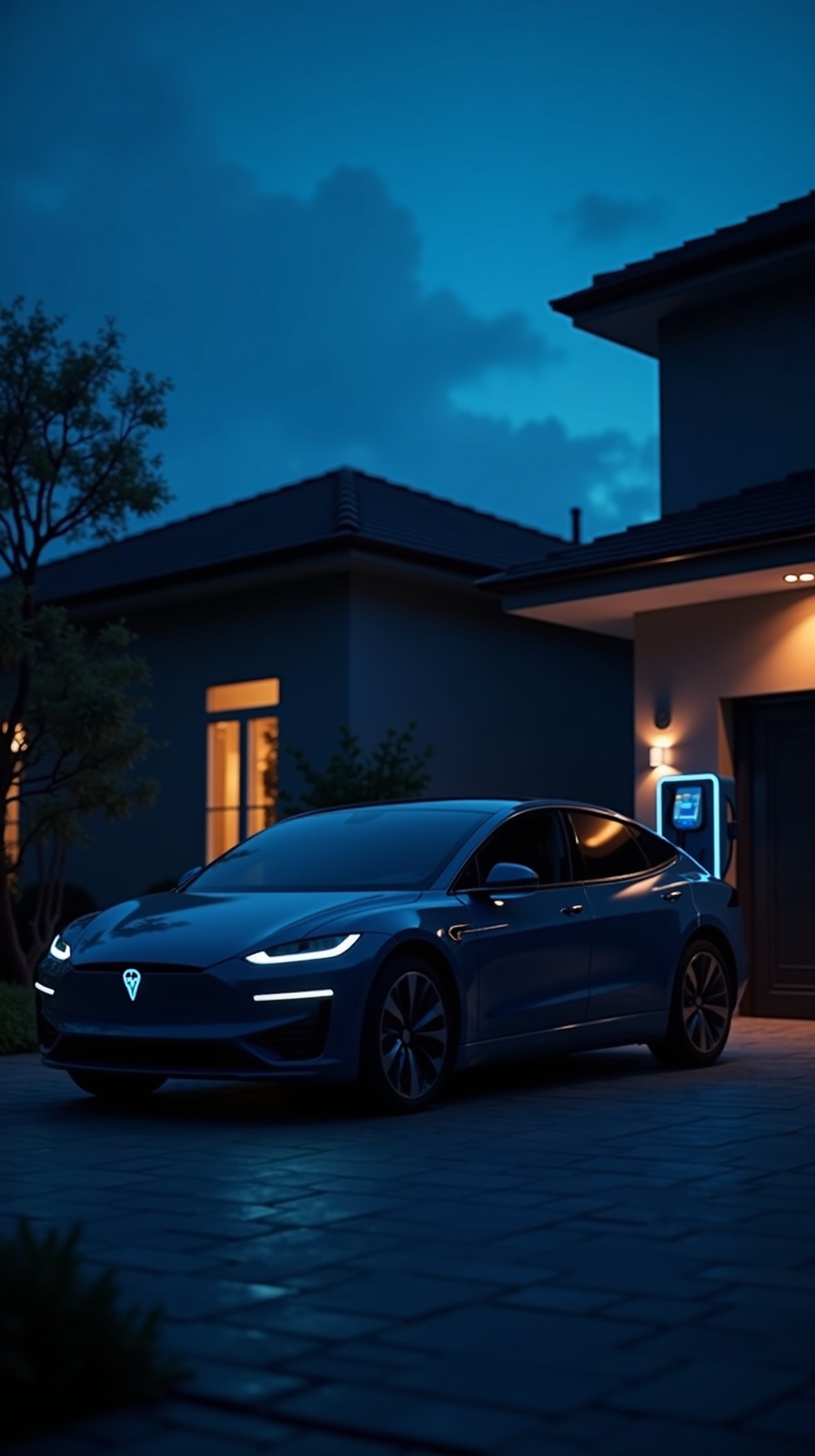

Smart and Load-Managed EV Chargers: Getting More From a Busy Switchboard
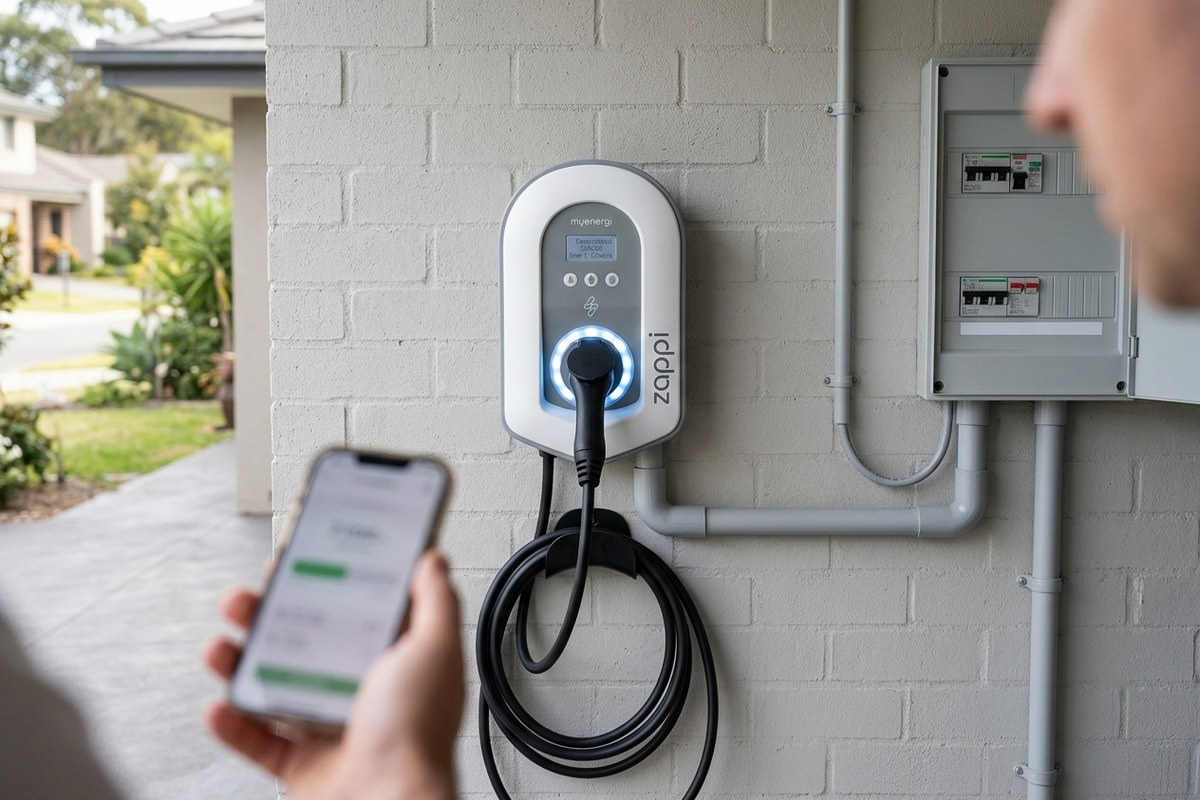
Many Central Coast homes are already working their switchboard hard, air conditioning, an electric oven, a hot water system, maybe solar and a battery. Adding a car charger to that mix raises a fair question: will the supply cope? A smart, load-managed charger is often the answer, and understanding how it works helps separate the useful features from the marketing.
The Problem Load Management Solves
An EV charger is a large, steady draw that can run for hours. On a home that occasionally pulls hard on its supply already, adding that load on top can push the total beyond what the main supply is rated for. The traditional fix is to upgrade the switchboard or the supply. Dynamic load management offers another path: the charger continuously measures how much the rest of the home is using and adjusts its own draw to fit within whatever headroom is left, ramping back up when the house quietens down.
In practice that means the car still charges, but never at the expense of tripping the main switch when the oven and air conditioner are both running. For a home close to its limit, this can avoid a more expensive upgrade entirely.
Smart Features Worth Having
Smart covers a lot of ground, and a few features genuinely earn their keep:
Scheduling
Charging can be set to run during off-peak hours automatically, which suits time-of-use electricity plans and keeps charging off the evening peak.
App Control and Monitoring
An app shows how much energy has gone into the car and lets charging be started, stopped, or capped remotely, useful for tracking running costs.
Solar Awareness
On a home with panels, a solar-aware charger can prioritise surplus daytime generation, topping the car up on sunshine rather than exporting it cheaply.
Dynamic Load Management
The feature above, arguably the most valuable on a constrained supply, because it can save a switchboard upgrade.
Choosing Among the Brands
Several well-regarded units are common on the Australian market, including the Zappi, Ocular, and Wallbox ranges, each with its own take on apps, solar integration, and load balancing. The right one depends on the home's setup and which features will actually be used rather than the badge. A unit loaded with functions that never get switched on is poor value; one matched to how the household lives is money well spent.
Installed to Suit the Home
The advantage of a smart charger is only real if it is set up correctly. Commissioning includes configuring the load-management sensor at the switchboard so the charger can read the home's total consumption, then setting the limits and any schedules. This is where an experienced installer adds value, the hardware is only as clever as its setup.
Open Standards and Staying Future-Proof
One detail worth asking about is whether a charger uses open standards rather than locking the owner into a single app or provider. Units that support open protocols can be managed by different software and are more likely to keep working smoothly as plans, tariffs, and vehicles change over the years. Firmware updates matter too: a charger that receives them gains features and fixes over its life rather than ageing in place. For a device expected to last well over a decade, that adaptability is worth more than any single headline feature.
A Typical Central Coast Scenario
Consider a four-bedroom home with ducted air conditioning, an electric oven, and a main supply already close to its comfortable limit on a hot evening. Rather than the disruption and cost of upgrading the supply, a load-managed charger reads the home's consumption and quietly charges the car on whatever capacity is spare, ramping up once the cooking and cooling ease off. The car is full by morning, the main switch never trips, and an expensive upgrade is avoided.
Frequently Asked Questions
What does dynamic load management do?
It lets the charger measure the home's total electricity use and automatically adjust its own draw to stay within the supply's limit, ramping down when the house is busy and back up when it is not. On a constrained board it can avoid an upgrade.
Do I need solar to benefit from a smart charger?
No. Scheduling, monitoring, and load management are all useful without solar. Solar awareness is a bonus for homes with panels, but it is not the only reason to choose a smart unit.
Will a smart charger stop my main switch tripping?
A load-managed charger is designed to keep the home's total draw within the supply limit, which prevents the charger itself from causing an overload. It works alongside, not instead of, a switchboard that is in good order.
Which smart charger brand is best?
There is no single best. Zappi, Ocular, Wallbox and other reputable units each do the core job well; the right choice is the one whose features match how the home will use it, installed and configured properly.
Worried Your Switchboard Is Already Busy?
Get a free, no-obligation quote from a licensed electrician serving the Central Coast.