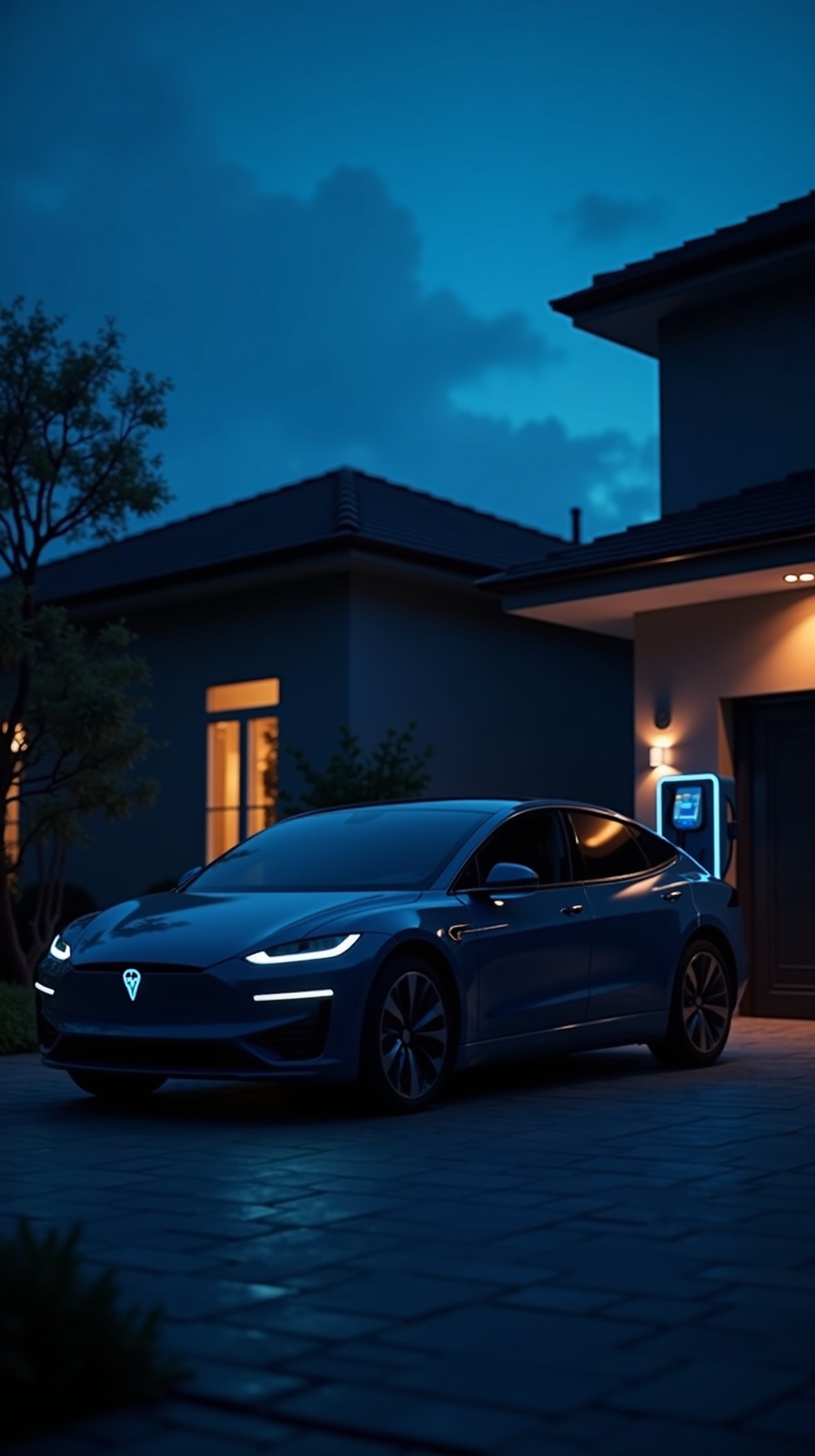

Switchboard Upgrades for EV Charging: Why the Board Comes First
It is easy to think of an EV charger as the whole job, but for plenty of Central Coast homes the real work is at the switchboard. A charger is one of the largest sustained loads a house will ever add, and the board has to be ready to carry it safely. Skipping that check is the most common way an otherwise tidy installation goes wrong.
Why a Charger Stresses the Board
Unlike a kettle or a power tool that draws hard for minutes, an EV charger pulls a high current steadily for hours. The switchboard has to supply that load on a dedicated circuit, with its own protection, on top of everything else the home runs. A board that copes fine with daily life can still lack the spare capacity, the spare circuit position, or the correct protection to add a charger without being reworked.
Signs the Board Needs Attention First
Some homes show clear signals that an upgrade is due before any charger goes in:
Ceramic Fuses or a Bakelite Board
Older boards with ceramic fuses or a brittle brown bakelite face predate modern safety switches and were never designed for today's loads. These almost always need upgrading.
No Spare Circuit Positions
A board already full of breakers has nowhere to add the charger's dedicated circuit without being enlarged or replaced.
Missing Residual Current Devices
EV circuits require specific protection. A board lacking adequate residual current devices needs that added as part of making it EV-ready.
Frequent Tripping or Signs of Heat
A board that trips often, smells warm, or shows scorching is already under strain and should be assessed before more load is added.
What an EV-Ready Upgrade Involves
An upgrade brings the board up to current standards and creates a safe home for the charger's circuit. That typically means replacing old fuses with modern circuit breakers and residual current devices, ensuring there is a properly rated position for the dedicated EV circuit, confirming the main supply can carry the combined load, and tidying and labelling the board. The result is a switchboard that not only supports the charger but is safer and more capable across the whole home.
Doing It Once, Properly
Because the board and the charger circuit are so closely linked, the sensible approach is to assess the switchboard at the same time the charger is quoted, so any upgrade is planned into the job rather than discovered halfway through. A home that upgrades the board as part of the install ends up with a charger that works reliably and a board ready for solar, a battery, or whatever comes next.
What a Modern, EV-Ready Board Looks Like
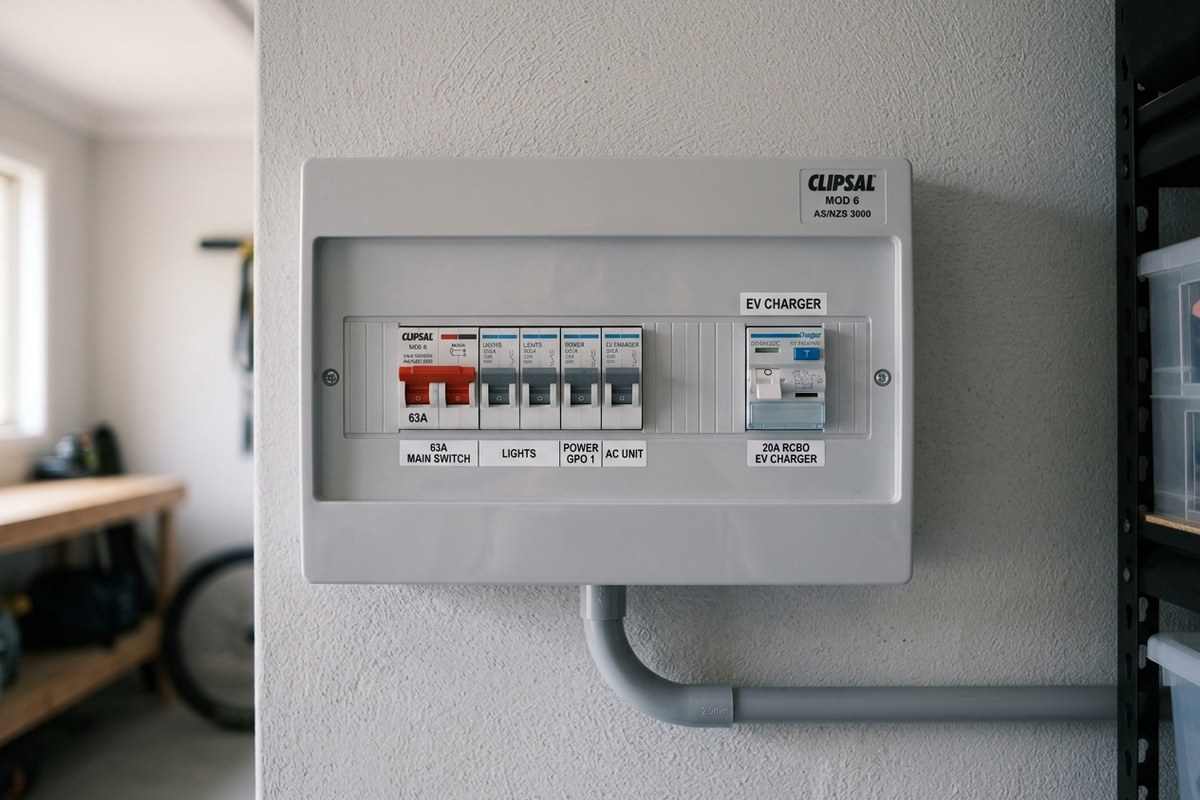
A board brought up to standard for charging is a tidy, labelled enclosure with modern circuit breakers and residual current devices protecting each circuit, a clearly identified dedicated breaker for the charger, and enough spare capacity that the home is not running at its limit. Everything sits enclosed behind the cover, the circuits are labelled so a future electrician can work safely, and the main switch is rated for the combined load. Set against an old fuse board, it is safer, easier to live with, and ready for whatever the household adds next.
How the Assessment Works
Checking a board for EV-readiness is quick for a licensed electrician. They look at the type and age of the board, count the spare positions, check the protection already fitted, and weigh the home's existing load against what a charger will add. From that they can say plainly whether the board is ready as it stands, needs a circuit and protection added, or warrants a full upgrade, and roll any of that into the charger quote. Doing the assessment up front is what turns a potential mid-job surprise into a planned, priced step.
Frequently Asked Questions
Does every home need a switchboard upgrade for an EV charger?
No. Many modern boards have the capacity, a spare position, and the right protection already. The only way to know is an assessment of the board against the charger's load, which a licensed electrician does as part of quoting.
How do I know if my switchboard is too old?
Ceramic fuses, a brown bakelite face, no safety switches, a board that trips often, or any sign of heat or scorching all point to an upgrade being due. Homes built before the mid-1990s are worth checking.
Can the upgrade and the charger be done together?
Yes, and that is the sensible approach. Assessing the board when the charger is quoted means any upgrade is planned into the one job rather than discovered partway through the install.
Does an upgrade benefit more than just the charger?
Yes. Modern breakers and residual current devices improve safety across the whole home, and a board with spare capacity is ready for solar, a battery, or other additions later.
## Site 6,
Not Sure Your Switchboard Is EV-Ready?
Get a free, no-obligation quote from a licensed electrician serving the Central Coast.